
Government Relations in Non-Emergency Medical Transportation: Why Civic Engagement Matters
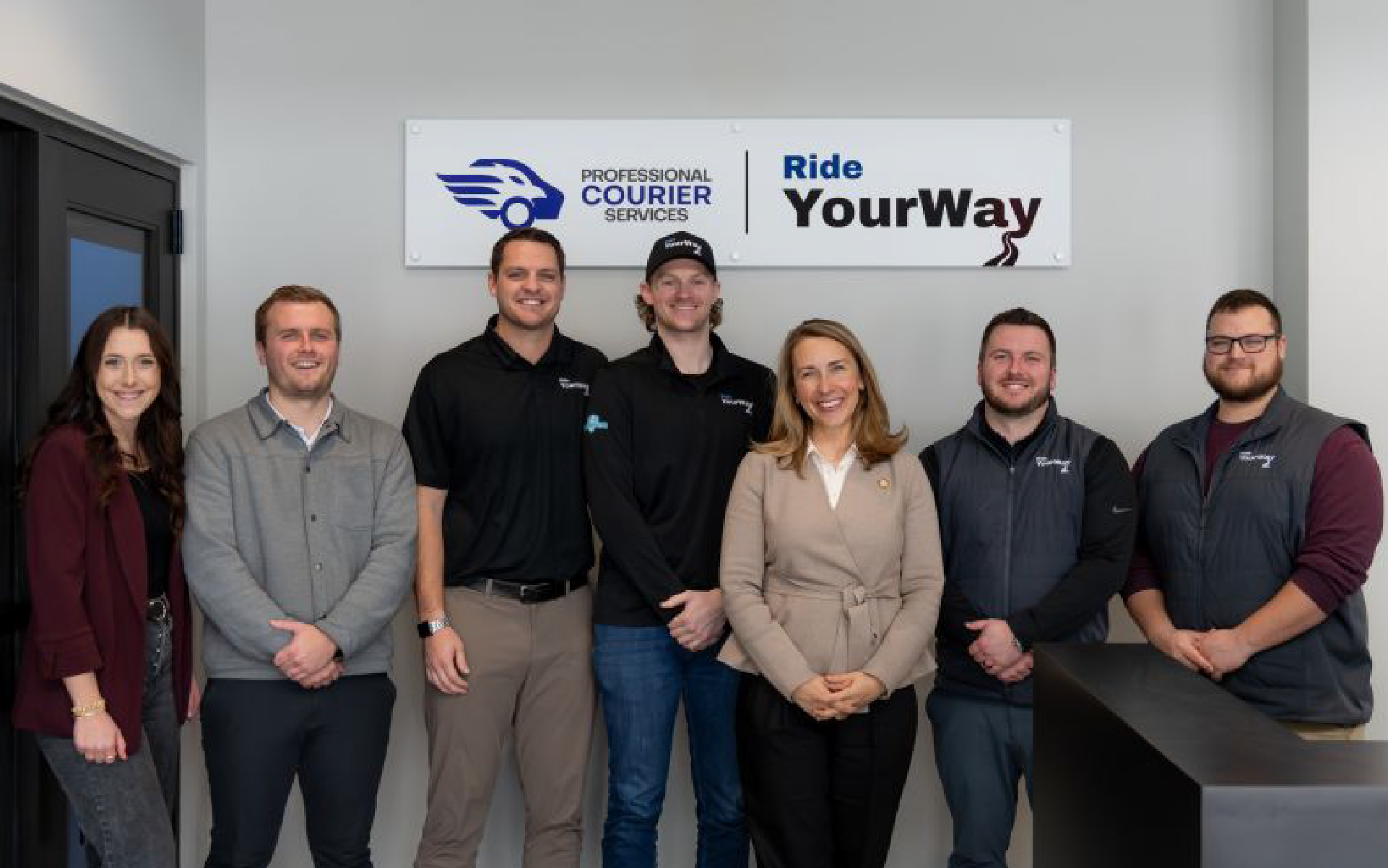
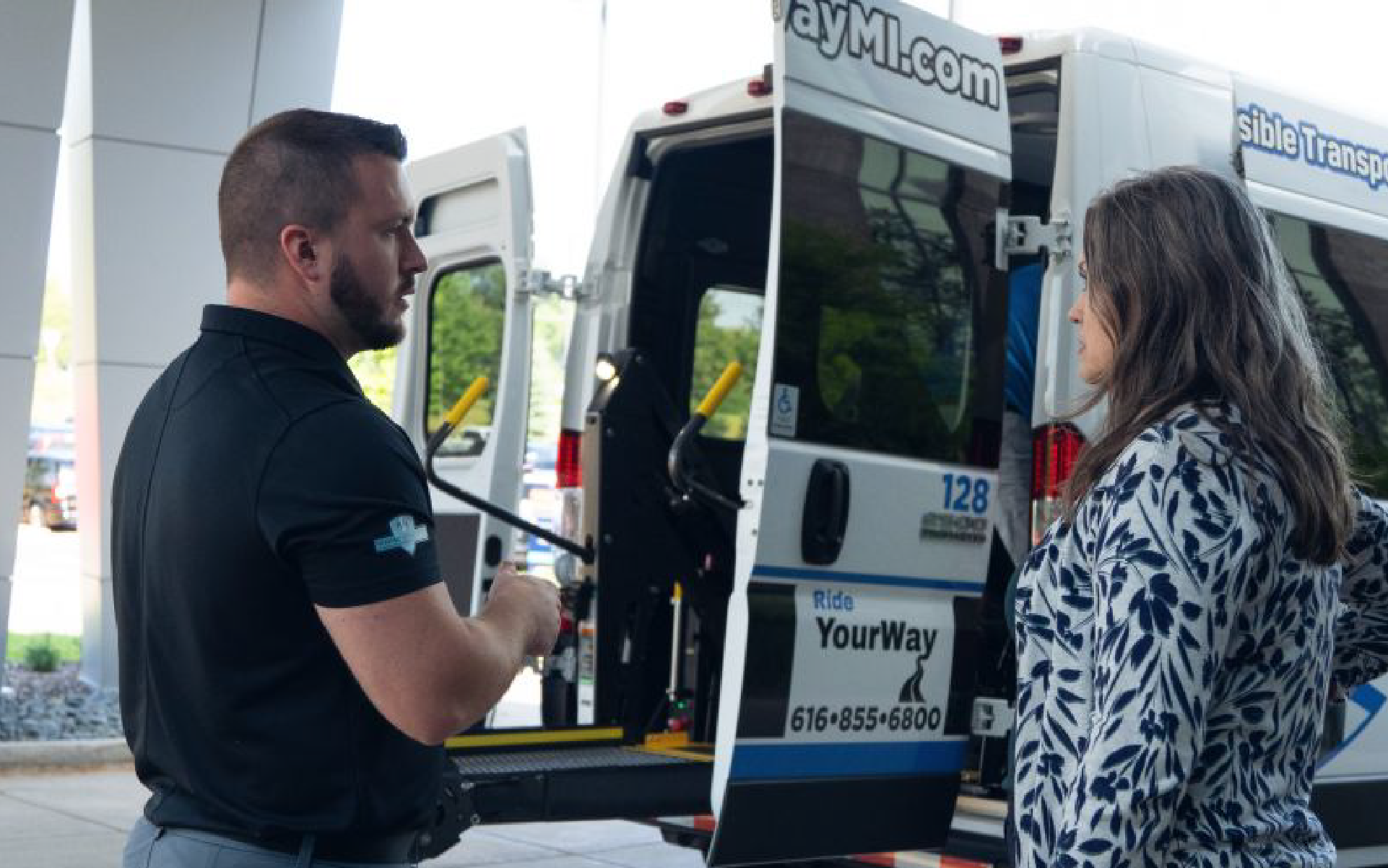
At Ride YourWay, we provide Non-Emergency Medical Transportation (NEMT) in Michigan for patients accessing dialysis, cancer treatment, behavioral health services, primary care appointments, and hospital discharges.
But healthcare transportation does not operate independently.
It is shaped by:
• State and federal healthcare policy
• Medicaid funding structures
• Regulatory oversight
• Technology requirements
• Legislative decision-making
That is why government relations in the NEMT industry is not political — it is responsible leadership.
From Registered Nurse to NEMT Policy Advocate
I am a registered nurse by training — not a career politician.
Ride YourWay was built from frontline clinical experience. I witnessed firsthand how missed transportation meant missed treatment. How delayed discharges created hospital bottlenecks. How vulnerable patients were left without safe mobility options.
The first time I walked into a legislative office, I felt out of place.
But I quickly learned something important:
Policy is written whether providers show up or not.
If we care about healthcare access in Michigan, we must engage in healthcare transportation reform discussions.
Engaging Both Sides of the Aisle for Healthcare Access in Michigan
Recently, I’ve had the opportunity to engage in constructive conversations with policymakers from both political parties, including:
• Carol Glanville
• Steve Frisbie
• Hillary Scholten
These conversations focused on:
• Medicaid NEMT reimbursement sustainability
• Rural healthcare transportation gaps
• Behavioral health transport access
• Fraud, Waste, and Abuse (FWA) in NEMT
• Technology modernization in healthcare transportation
Healthcare transportation is not partisan.
It is about access, accountability, and patient safety.
The Improving Accessibility Through Microtransit Act (H.R. 5922)
One major federal example of transportation policy modernization is the Improving Accessibility Through Microtransit Act.
Supported by The Transportation Alliance, this legislation directs the U.S. Department of Transportation to establish a five-year pilot grant program to improve accessible microtransit services for individuals with disabilities and mobility impairments.
Key Provisions of H.R. 5922:
• $20 million authorized for competitive grants
• Grants capped at $3 million per recipient
• Eligible applicants include state, local, and Tribal governments
• Public-private partnerships allowed
• Funding for wheelchair-accessible vehicles and accessibility improvements
• Driver training and safety enhancements
• Advanced transit technology and accessible mobile applications
• Mandatory tamper-resistant interior camera systems with strict privacy controls
• Compliance with federal labor standards
This bill reflects what modern NEMT policy should do:
• Encourage innovation
• Improve accessibility
• Strengthen safety standards
• Support accountability
• Bridge service gaps in underserved communities
Legislation like this directly impacts how healthcare transportation is delivered across the country — including here in Michigan.
Fighting Fraud, Waste, and Abuse (FWA) in NEMT Through Technology
Fraud, Waste, and Abuse is one of the most discussed issues in Non-Emergency Medical Transportation today.
As responsible providers, we support strong accountability measures. But reform must be operationally sound.
Through ongoing discussions with lawmakers, we’ve emphasized the importance of technology-driven FWA prevention, including:
• GPS-based trip verification
• Real-time dispatch transparency
• Digital credential verification for drivers
• Electronic trip documentation
• Integrated reporting and audit systems
Smart technology protects:
• Patients
• Taxpayer dollars
• Ethical providers
• System integrity
The camera system requirements in H.R. 5922 are one example of balancing safety and accountability.
Providers must be at the table to ensure these systems are implemented realistically and effectively.
Why Transportation Providers Must Engage in Policy
If NEMT operators do not engage in legislative discussions:
• Reimbursement rates fail to reflect real operating costs
• Technology mandates lack implementation clarity
• Quality providers are squeezed out
• Patients lose access to reliable care
Government relations in the transportation industry is not about partisanship. It is about stewardship.
Industry Advocacy Through The Transportation Alliance
In addition to engaging locally in Michigan, I serve as a Board Member of The Transportation Alliance.
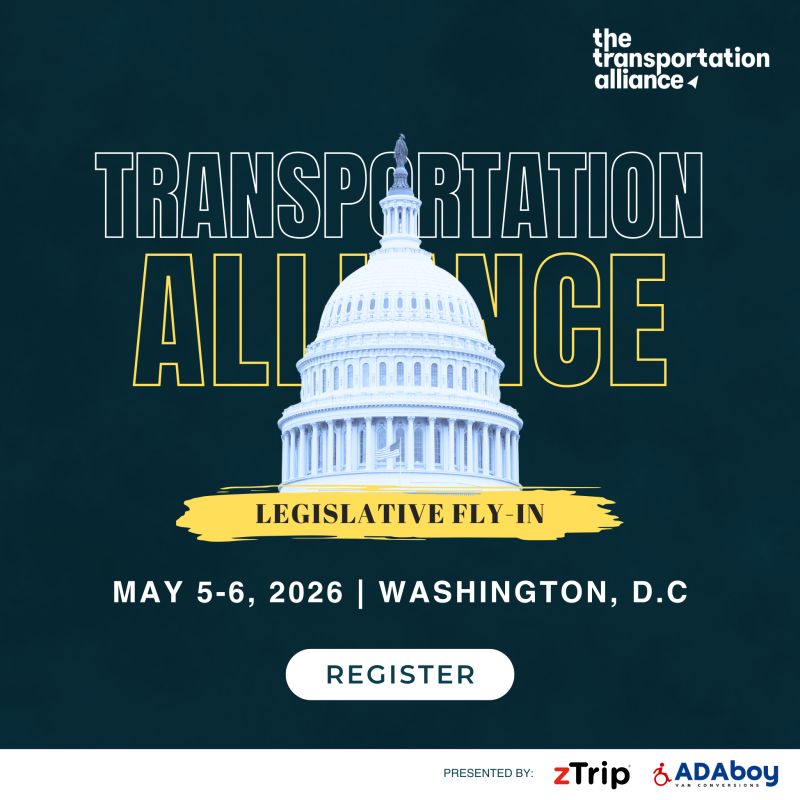
The organization hosts events such as the Legislative Fly-In in Washington, D.C. (May 5– May 6), where transportation leaders meet directly with members of Congress to advocate for:
• Sustainable NEMT policy
• Small business protections
• Accessibility modernization
• Practical regulatory frameworks
For transportation providers looking to strengthen the future of healthcare mobility, I strongly encourage involvement in national advocacy efforts.
Policy shapes our industry. Engagement shapes policy.
The Future of Healthcare Transportation in Michigan
Michigan has an opportunity to lead in:
• NEMT accountability reform
• Technology adoption to prevent FWA
• Behavioral health transportation access
• Rural healthcare mobility solutions
• Accreditation-based quality standards
As Ride YourWay grows, so does our responsibility.
Leadership is not just operational excellence.
It is helping build better systems.
How You Can Engage
Whether you are a transportation provider, healthcare executive, small business owner, or engaged constituent:
• Meet with your local representative
• Attend a town hall
• Join a transportation trade association
• Invite policymakers to tour your operation
• Participate in healthcare transportation reform discussions
Productive dialogue builds better systems.
Hostility builds division.
If we want stronger healthcare access, safer transportation standards, and responsible public funding, we must be willing to engage respectfully and constructively.
Because healthcare access moves forward when providers show up — not just at the bedside, but at the policy table.
.svg)